Studios and creators

The museum guide knows them all. Pick a studio and ask away: conversations work like a dialogue tree.

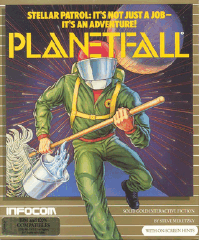
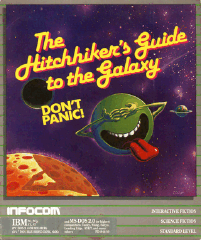
Infocom

1979–1989
How did Infocom start?
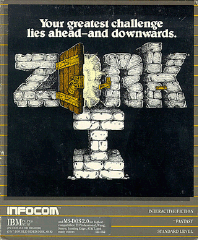
A group from MIT's computer science lab. After writing Zork for fun, they founded the company in 1979 and sold it in instalments so it would fit in home computers' memory.
What did they invent?
The Z-machine, a virtual machine. They wrote each game once and only ported the interpreter to each computer. They also packed "feelies" in the boxes: maps, coins and physical clues.
What happened to them?
They bet on a database program that flopped. Activision bought them in 1986 and closed the studio in 1989. Their games are still cult classics.

Sierra On-Line

1979–2008
Who founded it?
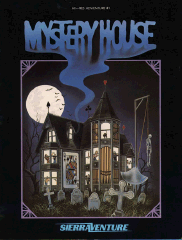
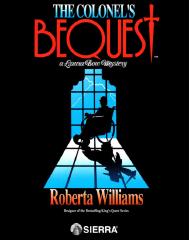
Ken and Roberta Williams. Roberta designed the stories and Ken the technology. They started at home with Mystery House in 1980.
What made it special?
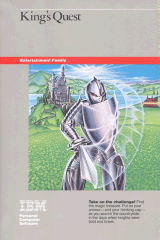
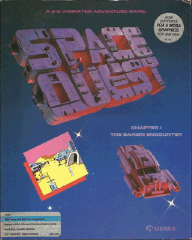
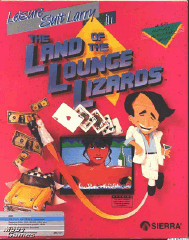
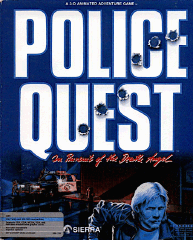
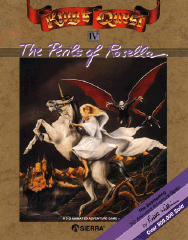
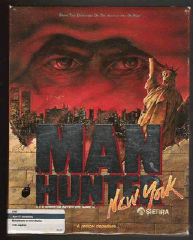
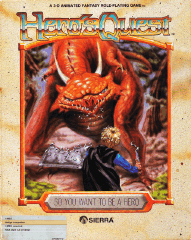
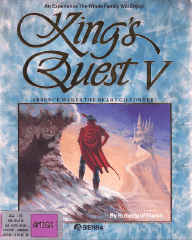
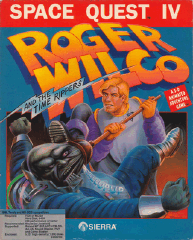
The Quest series: King's, Space, Police and Quest for Glory. Big worlds, lots of story and lots of deaths. You had to save often.
And how did it end?
A chain of corporate takeovers from 1996 dismantled the original studio. The brand lived on as a publisher, but the Oakhurst spirit was lost.

LucasArts

1982–2013
Where did it come from?
It began as Lucasfilm Games, the games division of George Lucas's company, and became LucasArts in 1990.
Its big contribution?
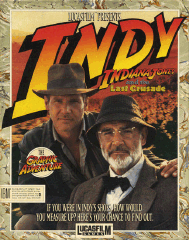
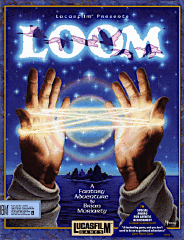
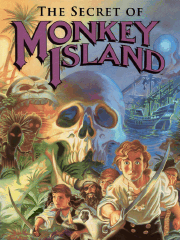
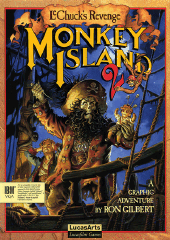
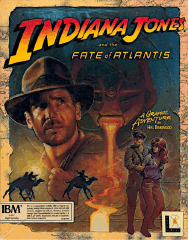
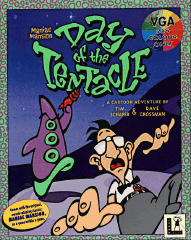
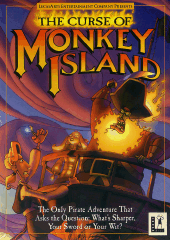
SCUMM, on-screen verbs and a philosophy of not punishing the player: no sudden deaths, no dead ends. Plus the adaptive music system iMUSE.
Who worked there?
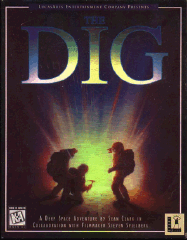
Ron Gilbert, Tim Schafer, Dave Grossman, Hal Barwood, Noah Falstein, Brian Moriarty, Sean Clark, Larry Ahern... A team that went on to found half the indie scene.

Revolution Software

1990–
Where was it born?
In York, England, in 1990. Charles Cecil has been its public face from the start.
What was its engine?
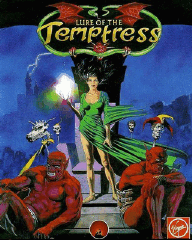
Virtual Theatre: characters didn't stand still; they had routines and moved around the scene on their own. It debuted in Lure of the Temptress (1992).
Are they still around?
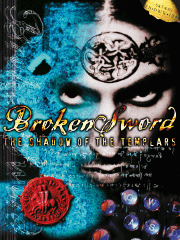
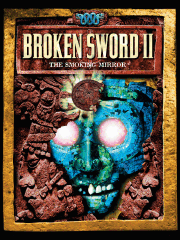
Yes. Broken Sword goes on: they crowdfunded an instalment on Kickstarter in 2013 and released a full remaster of the first game in 2024.

Westwood Studios

1985–2003
Adventures? Weren't they a strategy studio?
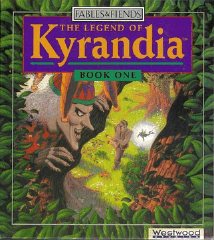
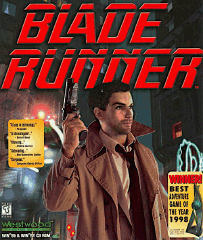
Before Command & Conquer, Westwood made the Kyrandia trilogy and Blade Runner, and they were excellent.
What was unusual about Blade Runner?
Voxel characters, a city living in real time and a story that reshuffled every playthrough: who was a replicant changed at random.
What became of them?
Electronic Arts bought them in 1998 and closed them in 2003.

Cyan

1987–
Their games on the timeline
Who are they?
Brothers Rand and Robyn Miller, from Spokane, Washington. They started with interactive children's books in HyperCard.
Why was Myst so important?
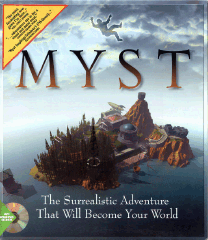
It sold millions, made people buy CD-ROM drives and proved a game could be contemplative and grown-up.
What do they do today?
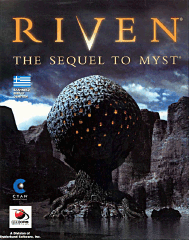
They keep exploring: Obduction (2016), Firmament (2023) and a remake of Riven in 2024.

Pendulo Studios

1993–
A Spanish studio?
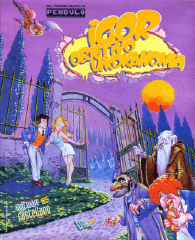
Yes, from Madrid. Ramón Hernáez, Rafael Latiegui, Felipe Gómez and Miguel Ángel Ramos debuted with Igor: Objetivo Uikokahonia in 1994.
Their biggest hit?
Runaway (2001) succeeded all over Europe just as people said the genre was dead. Before that, Hollywood Monsters was a smash in Spain.
And now?
They still make narrative adventures such as Yesterday (2012) and Blacksad: Under the Skin (2019). One of the longest-running adventure studios in the world.

Telltale Games

2004–2018 · 2018–
How did it start?
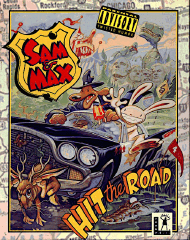
Former LucasArts staff founded it in 2004 after a Sam & Max sequel was cancelled.
What did they change?
The episodic format and, with The Walking Dead (2012), choices with consequences over puzzles.
Why did it close?
Too many projects at once and an ageing engine. It closed in 2018; the brand was later bought and relaunched.

Wadjet Eye Games

2006–
Who is behind it?
Dave Gilbert, in New York. He started with free games made in Adventure Game Studio.
What do they publish?
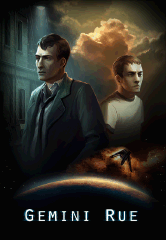
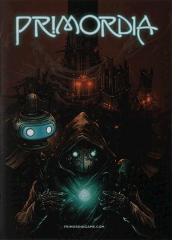
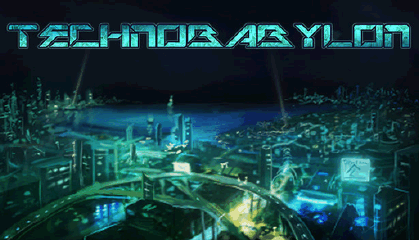
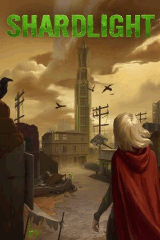
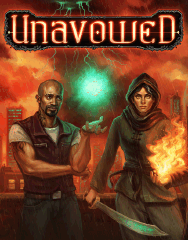
Auteur pixel art: the Blackwell series, Gemini Rue, Technobabylon, Primordia, Unavowed, Old Skies...
Why AGS?
It is free, mature and designed for this genre. Wadjet Eye proved you could sell games made with it.

Daedalic Entertainment

2007–
Where are they from?
Hamburg. Their first big game was Edna & Harvey: The Breakout, a university project by Jan Müller-Michaelis.
What made them stand out?
They revived the classic hand-drawn adventure in the 2010s: Deponia, The Whispered World, Chains of Satinav...
And today?
In 2023 they stopped in-house development to focus on publishing other studios' games.

Amanita Design

2003–
Who are they?
A studio from Brno, Czech Republic, founded by Jakub Dvorský. Samorost began as a Flash browser game.
What makes them unique?
No words: everything is told through images, music and sound. Machinarium, Botanicula and Creaks feel like moving picture books.
Any tricks?
They mix photography, real objects and hand drawing, and care enormously about music, often with Czech band DVA or Floex.

Terrible Toybox

2014–
What is Terrible Toybox?
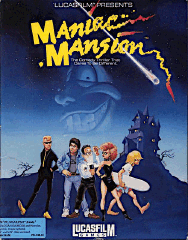
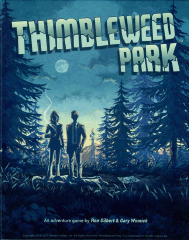
The studio of Ron Gilbert and Gary Winnick, the creators of Maniac Mansion, set up to make Thimbleweed Park.
What did they do next?
Return to Monkey Island in 2022, with Dave Grossman and Devolver Digital as publisher.
Any design advice?
Gilbert insists that players should always know their immediate goal, even if they don't know how to reach it.
Image credits

Images belong to their owners. Each one links to its source.